

Trump thanks Pakistan, UAE and Saudi Arabia after Iran announces to reopen Strait of Hormuz
Washington signals progress on broader Iran negotiations amid fragile ceasefire
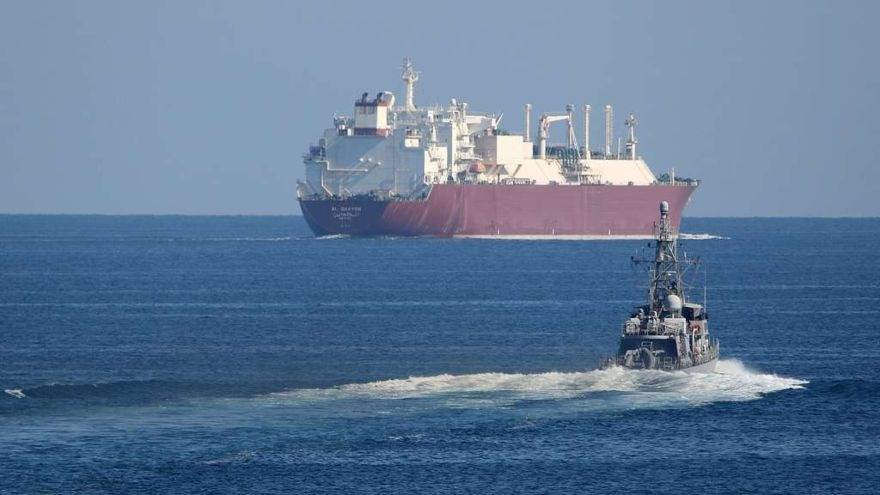
WASHINGTON/DUBAI – US President Donald Trump has praised Pakistan and several Gulf countries, including the UAE, Saudi Arabia and Qatar, after Iran announced the reopening of the Strait of Hormuz to commercial shipping, describing the development as a “great and brilliant day for the world”.
The remarks came as Tehran signalled a partial easing of restrictions on one of the world’s most critical energy chokepoints, following weeks of disruption linked to regional conflict and a fragile ceasefire in Lebanon. While Iran declared the waterway “completely open” for commercial vessels, the situation remains complex, with military restrictions and US sanctions still in place.
In line with the ceasefire in Lebanon, the passage for all commercial vessels through Strait of Hormuz is declared completely open for the remaining period of ceasefire, on the coordinated route as already announced by Ports and Maritime Organisation of the Islamic Rep. of Iran.
— Seyed Abbas Araghchi (@araghchi) April 17, 2026
Trump said the move reflected progress in broader negotiations with Iran and claimed that key elements of a potential agreement were already close to completion. He stated that Iran had agreed not to use the Strait of Hormuz as a pressure tool again, adding that it “will no longer be used as a weapon against the world”.
He also suggested that US assistance was involved in improving maritime safety conditions, including reported clearance efforts in the strait, while maintaining that Washington would continue applying pressure on Tehran until a final agreement is reached.
The US President credited Pakistan alongside Gulf partners for what he described as constructive mediation efforts, pointing to ongoing regional diplomacy involving multiple stakeholders.
Regional mediation
Diplomatic activity has intensified across the Middle East, with Pakistan, Saudi Arabia, the UAE and Qatar all reportedly involved in back-channel discussions aimed at stabilising maritime security and supporting ceasefire arrangements.
In parallel, wider talks involving regional and European actors have focused on nuclear-related negotiations, maritime security guarantees, and compensation frameworks linked to the recent escalation.
Despite the reopening announcement, Washington has maintained its blockade on Iranian maritime assets, underlining that broader tensions remain unresolved.
Conditional reopening
Iran’s decision to reopen the Strait appears tied to the ceasefire in Lebanon and ongoing negotiations with the United States. Officials framed the move as a temporary stabilisation step rather than a permanent policy shift.
While commercial shipping is resuming, maritime traffic remains below normal levels, with shipping firms and insurers still assessing risk exposure due to the uncertain security environment.
The Strait of Hormuz, through which roughly a fifth of global oil and liquefied natural gas passes, remains central to global energy stability, making even partial disruptions highly significant for markets and international trade.